




Are flashcards still relevant for language learning in 2026?
This article explores how modern flashcards evolved, why they still work, and how tools like Explorino use them for smarter, more engaging language learning.
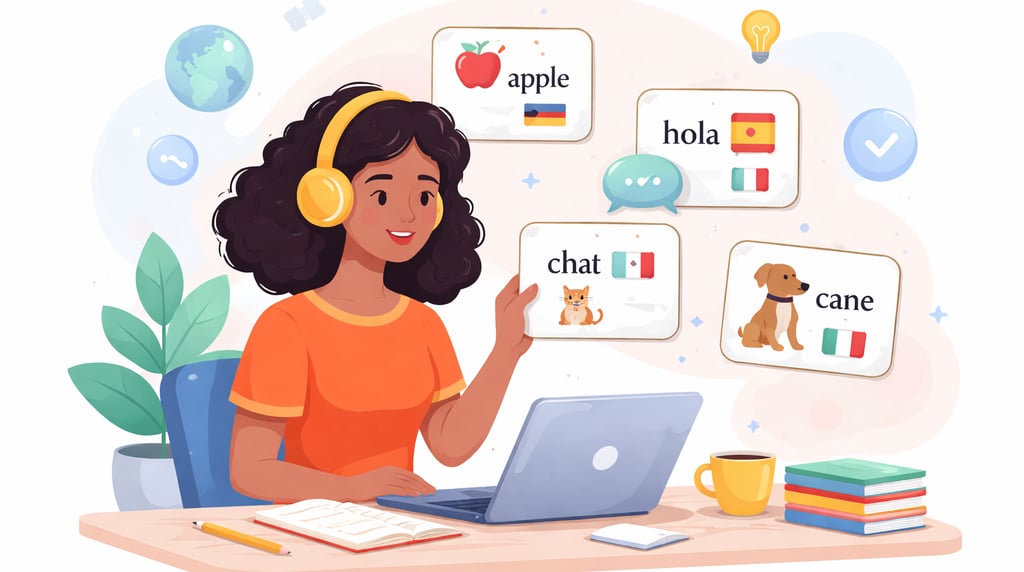
Flashcards are one of the oldest tools in language learning. Simple. Familiar. Almost too simple.
So it’s fair to ask: are flashcards still relevant today, in a world of AI tutors, immersive apps, and instant translation?
Short answer: yes.
Why Flashcards Never Really Disappeared
At their core, flashcards are built on two powerful learning principles:
Active recall – forcing your brain to retrieve information
Spaced repetition – reviewing content just before you forget it
These aren’t trends. They’re how memory works.
No matter how advanced learning technology becomes, these cognitive mechanisms remain the same. Flashcards survived not because they’re nostalgic, but because they’re efficient. What did become outdated is how flashcards were traditionally used.
The Problem With “Old-School” Flashcards
Let’s be honest: many learners hate flashcards. Why?
Because they often mean:
Isolated words with no context
Mechanical repetition
No emotional or visual connection
A list like:
apple → mela
run → correre
might help short-term recall, but it rarely leads to real language use.
This is where the classic flashcard approach fails — and where modern flashcards step in.
Modern Flashcards Are Not Just Words
Today, effective flashcards are multidimensional. A single card can include:
A word or sentence
Audio pronunciation
Visual context (images or scenes)
Example usage
This transforms flashcards from a memorization tool into a language exposure system.
Flashcards vs Immersion: A False Debate
You’ll often hear: “Flashcards are useless. You need immersion.”
But this isn’t an either/or situation.
Immersion is powerful — but also chaotic.
Flashcards are structured — but limited.
Used together, they balance each other.
Flashcards:
prepare your brain
reduce cognitive load
create familiarity
Immersion:
reinforces meaning
builds intuition
activates language in real situations
Think of flashcards as laying down the tracks, and immersion as running the train.
Where Flashcards Shine the Most
Flashcards are especially effective for:
beginners building core vocabulary
intermediate learners reinforcing weak points
pronunciation training (with audio)
daily consistency with limited time
Even 5–10 minutes a day can make a measurable difference — something few other methods can claim. In that sense, flashcards aren’t old-fashioned at all.
They’re quietly becoming more relevant than ever.
For practical tips on making microlearning more effective, explore this short guide.
Where Explorino Fits In
This is exactly the philosophy behind Explorino. Not flashcards as static lists to memorize, but as living learning units — combining words, images, audio, context, and progression. The goal isn’t to repeat forever, but to explore, understand, and move forward.
Explorino treats vocabulary as a journey, not a checklist.
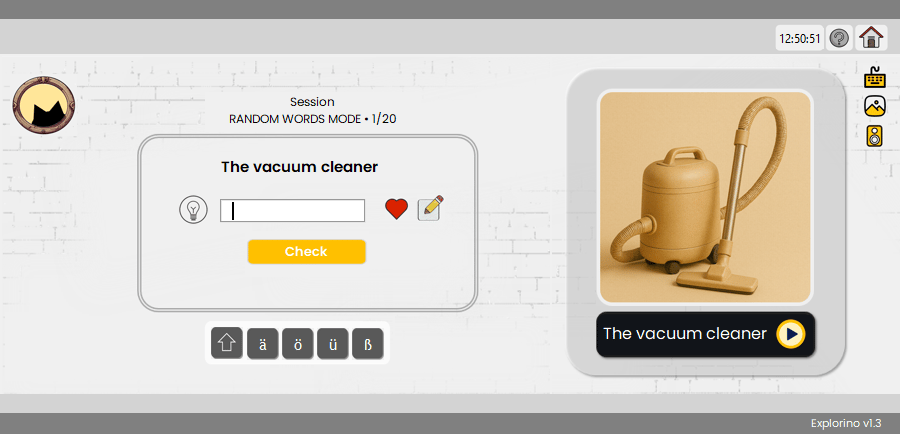
Example of Explorino's flashards
Free trial. No registration required.
Contacts
Write to us here for any questions or support requests, or contact us directly by email.
info@explorino.com
© 2026. All rights reserved.
Try it for free
Try Explorino free for 10 days—no registration needed.